
Obedience Foundation · Melbourne & the Space Coast
Loose-Leash Walking Training in Melbourne, FL
Tired of getting walked by your dog? Pulling is not dominance and it is not defiance. It is a skill nobody has taught him yet. We build calm, slack-leash walks on your real Brevard sidewalk.
- Force-considerate team
- In-home & mobile
- Melbourne, FL

The short answer Your dog pulls because pulling works. Every time the leash goes tight and he still gets where he wants to go, the habit gets stronger. We teach the opposite rule: slack means go, tension means stop. Then we build it on your own street, at the hours you actually walk. Most owners feel a real difference inside the first few sessions. The tug-of-war walk Your arm is getting longer by the day. Every walk is a tug-of-war, your dog out front like a sled dog, you leaning back on the leash just to slow the pace, both of you coming home more stressed than when you left. It is the most common complaint we hear from owners across the Space Coast, and it is also one of the most fixable. A dog that pulls is not dominant and he is not defiant. He has simply never been taught that a loose leash is the fast way forward and a tight one is the slow way. Teach him that clearly and the pulling stops. We train on your real sidewalk, in your real neighborhood, with the distractions you actually walk past. A dog who heels in an empty living room but drags you past Wickham Road traffic has not learned the skill where it counts. Ready to walk your dog instead of getting walked by him? Book a Free Evaluation, call (321) 209-0504, or send a text. Serving Melbourne, Palm Bay, Viera, and all of Brevard County, Florida. Virtual training worldwide. Is this the right fit? Quick intent-splitter before you read on. If your dog pulls but does not melt down at triggers, you are in the right place. If he lunges, barks, or reacts at other dogs and people on leash, that is an emotional problem, so start with our leash reactivity training instead. Most dogs have some of both, and we sort out exactly which at the free evaluation. Honestly not sure which one you have? Most owners are not, and from the end of a leash the two look almost identical. Describe what your dog actually does when another dog appears and we will tell you which page you belong on, before you book anything.
Your dog pulls because it works, not because he is stubborn
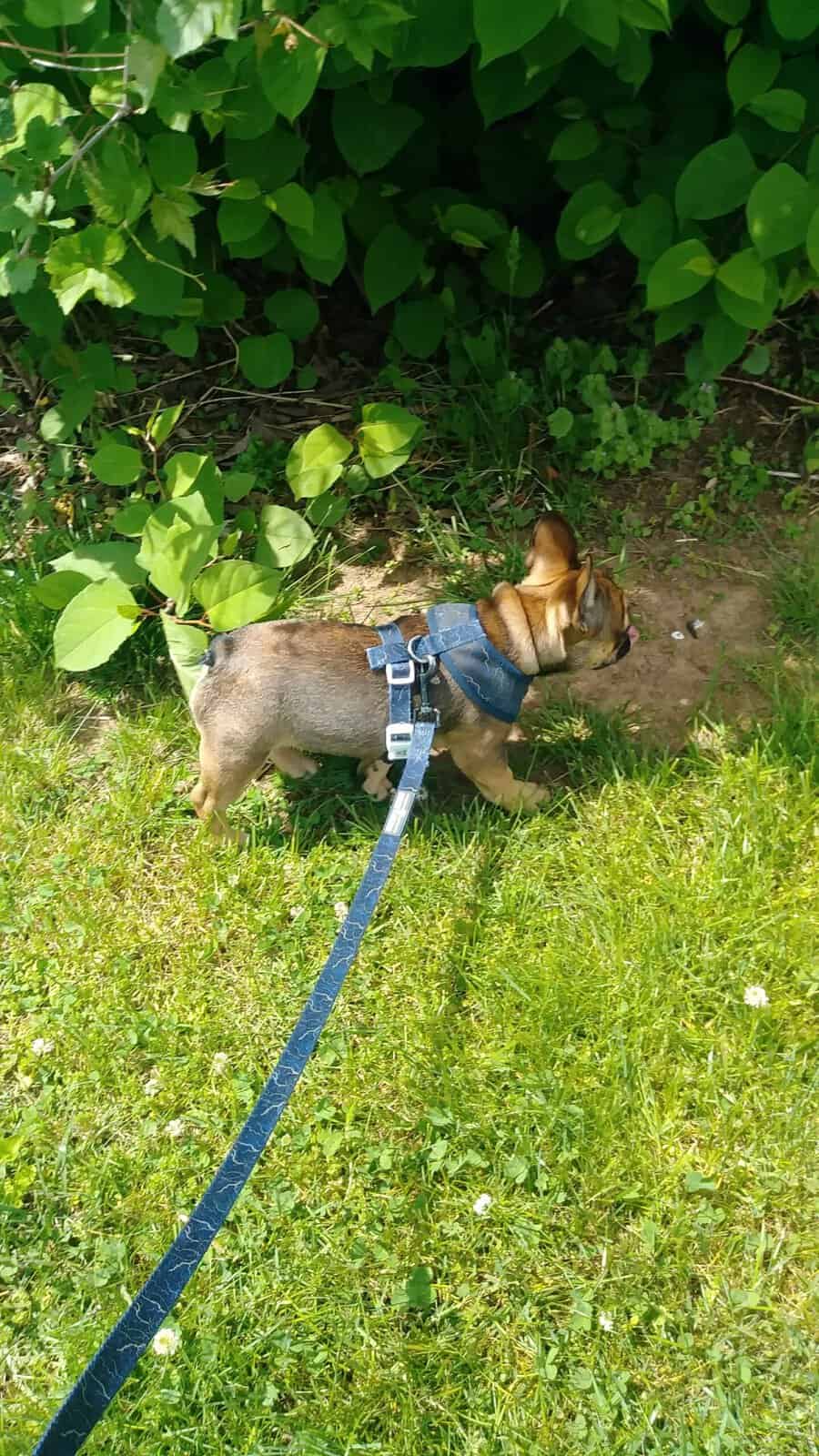
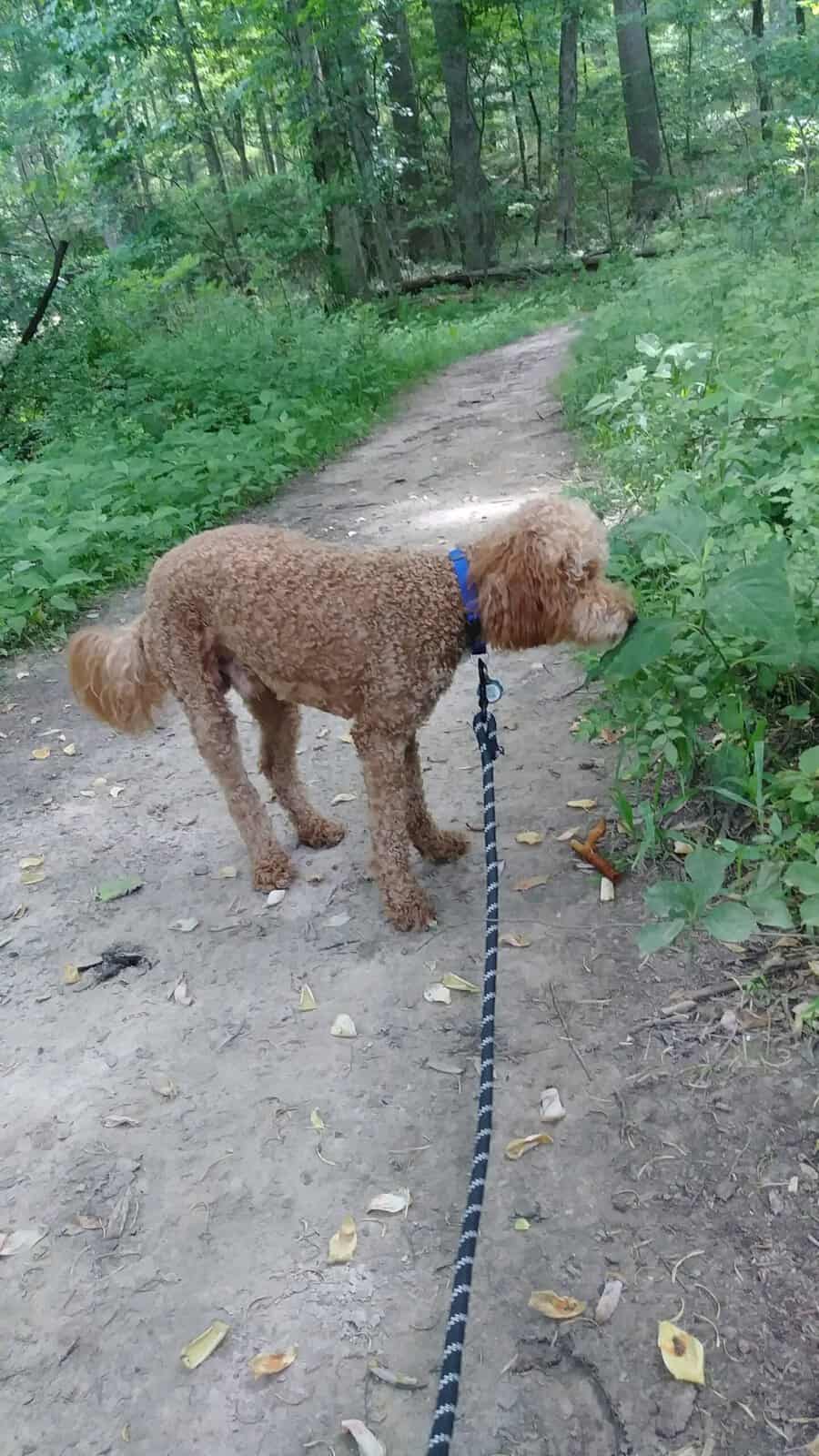
Who loose-leash walking training is for
A great fit if…
Look elsewhere if…
What’s included
Your loose-leash service, start to finish
Every service runs in three phases. You always know which one you are in and what comes next.
Assess
- In-home free evaluation and full walking assessment: triggers, gear, walk times and routes, household handlers
- Humane equipment assessment and fitting, with no choke or prong based pulling fixes
- A written, dog-specific loose-leash plan mapped to your real walk times and neighborhood
Build the skill
- Leash-pressure training so your dog learns slack means go and tension means stop
- Reward-timing coaching that makes the good position his default choice
- Turns, auto-sits at stops, and pace-change drills for attention in distraction
- Real-world walking with sniff-and-explore allowed, not a rigid competition heel
Make it stick
- Distraction-proofing for tight sidewalks, foot traffic, and other dogs
- Heat and humidity smart session planning for Florida walking windows
- Real-spot practice guidance: boardwalks, downtown sidewalks, Publix lots
- Whole-household coaching plus homework, check-ins, and plan adjustments between sessions
Force-considerate, science-based methods throughout. No choking, no cranking, no intimidation.
How it works
The method, step by step
Loose-leash walking is a skill, and skills get built in steps. They are not nagged into existence with a tighter grip. Yanking the leash, choking up on it, or buying a bigger harness treats the symptom and misses the cause. Here is the actual skill we build with you.
Leash pressure your dog understands
Most pulling comes from a simple misunderstanding. The dog feels tension and pulls harder into it, which is a reflex rather than stubbornness. We teach him the opposite: pressure means slow down, slack means go. Once he learns that a tight leash never gets him anywhere and a loose one does, the constant straining melts away.
The moving picture, not the statue
We are not drilling a stiff military heel where your dog cannot sniff a bush. Real-life loose-leash walking means he gets to be a dog, sniffing and looking around and enjoying the walk, while keeping the leash slack and checking in with you. We build that flexible version, because that is the walk you will actually take twice a day for the next decade.
Rewarding the position you want
Dogs repeat what pays. We show you exactly how to mark and reward the moment your dog is walking nicely beside you, so “next to my human on a loose leash” becomes the default he chooses on his own. Reward the good spot enough and he stops testing the end of the leash.
Turns, stops, and pace changes
A dog glued to your movement cannot be dragging you toward a squirrel at the same time. We drill quick turns, auto-sits at stops, and pace changes that keep his attention on you and off the environment. These are the tools that make a walk feel like a partnership, and they travel to the vet lobby, the Publix lot, and the crowded sidewalk downtown.
Gear that helps, gear that hurts
The harness or collar you are using might be quietly making things worse. Some back-clip harnesses are literally designed for pulling, because that is how sled gear works. We assess your setup, recommend humane and effective equipment matched to your specific dog, then teach you to use it as a communication tool rather than a restraint. No choking, no cranking.
This is core obedience foundation work, part of our Ascent adult-training track, and a building block in JOURNEY and BUILD for younger dogs. If your dog does not just pull but reacts, lunging and barking at other dogs or people on the leash, that is a related but different problem, and our leash reactivity training is where it gets fixed.
Want to know which of these five your dog needs most? Text us what happens on a typical walk and we will tell you where we would start.
Local reality
Why Space Coast walks make pulling harder to live with
Every dog can learn to pull. But walking a dog in Brevard has a few local realities that make loose-leash skills more urgent, and that a trainer who has never walked a client’s dog down here would breeze right past.
The heat gives you a narrow window
From May into October the midday pavement bakes and paw pads burn, so most of the county walks in the same two windows: early morning and after sundown. Those windows are also the crowded ones, full of other dogs, joggers, and strollers. A dog who wastes them dragging you around means you either skip the walk or dread it. We train for those exact times.
Tight sidewalks leave no slack
So much of Brevard living is planned communities: Suntree, Viera, Baytree, the Palm Bay grids. Narrow sidewalks, leash ordinances, and neighbors, strollers, and dogs around every corner. A pulling dog there is a genuine hazard to your shoulder, to a passing kid, and to himself near a road. We train for cramped, leashed, distraction-heavy walking, not open-field ideal conditions.
Our best spots demand a loose leash
The stuff that makes it great to have a dog here, the Melbourne Beach boardwalks, the Eau Gallie Arts District, the Indialantic and Intracoastal paths, dog-friendly patios, only works if your dog can walk politely through crowds and bikes and other dogs. Looping the boardwalk on a Saturday without your shoulder screaming is a normal finish line for the dogs we work with.
Paw-safety check: if you cannot hold the back of your hand on the asphalt for seven seconds, it is too hot for his feet. Stick to grass and shade.
What clients say
Real loose-leash results
“…pulled like a freight train, so walks were something I dreaded… Now I walk Maverick with ease…”
Local FAQ
Common questions from Brevard owners
How long does it take to stop the pulling?
My dog pulls and barks or lunges at other dogs. Is this the right page?
Partly. This page fixes the pulling, the mechanical “dog drags me down the street” problem. If your dog also loses his mind at other dogs, bikes, or people on the leash, that is leash reactivity, an emotional response we address with a different protocol. Most dogs we see have some of both, and we untangle it at the free evaluation. See our leash reactivity training page for the reactivity side.
Faster than booking to find out: call (321) 209-0504 and describe what happens when another dog appears. That usually settles it in a minute.
Do I need a special harness or collar?
Maybe, and it may be that your current gear is quietly making the pulling worse, since some back-clip harnesses are built for pulling. We assess your setup, recommend humane and effective equipment matched to your dog, then teach you to use it as a communication tool. We do not fix pulling with pain, so no choke chains and no prong-based shortcuts.
Already own something and want to know if it is working against you? Text us what your dog wears on walks and we will tell you straight.
When can we even train in this heat?
Do you come to Palm Bay, Melbourne Beach, or Rockledge, or just Melbourne?
Question that is not here? Call (321) 209-0504 or send a text. You are not signing up for anything by asking.
Take back your walks
A dog that drags you down the street does not get better on his own. Every pull that works is a pull he will try again tomorrow. The owners who end up with calm, loose-leash walks are not stronger or luckier. They taught the skill clearly instead of white-knuckling the leash for years. We are a Melbourne-based, force-considerate training team, and we will get you and your dog walking like a team through real Space Coast conditions.
Not ready to book?
Just ask us a question first.
You do not have to put an appointment on your calendar to talk to us. Tell us what your dog does on a walk and we will tell you what we think, whether or not you ever hire us.
Serving Melbourne, Palm Bay, Viera, and all of Brevard County, Florida. Virtual training worldwide.